



Afghanistan, whose economy largely depends on agriculture, faces serious challenges every year such as drought, water shortages, and the difficulties of farmers. The consecutive droughts of recent years have not only reduced agricultural yields, but have also limited people’s access to clean drinking water in cities and villages. Last year, many areas, including the city of Kabul, faced water shortages, which further increased people’s concerns.
Although this past winter witnessed a relatively moderate amount of snowfall, due to the late rise in temperatures, most of the snow melted before the arrival of spring. This situation weakened farmers’ hopes regarding water reserves and increased concerns about the upcoming season. However, recently, the start of continuous rainfall in various parts of the country has once again revived hope among the people.
According to the latest weather forecasts, the total precipitation in Afghanistan over the next eight days is estimated to be between 40 and 130 millimeters, which is significantly higher than normal levels. It is even estimated that about 40% of Kabul’s annual rainfall may occur within this short period, while the average annual precipitation in Kabul is usually between 300 and 350 millimeters.
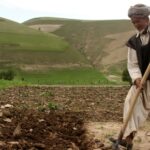
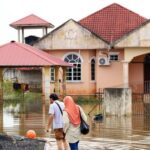
These rains, although a blessing for drought-affected farmers and capable of increasing soil fertility, improving water reserves, and strengthening the future of agriculture, also increase the risk of sudden floods. In some provinces, floods have already caused human and financial losses, highlighting the need for serious caution in the coming days.
Therefore, it is necessary for people to consider both aspects of this natural change. Farmers can take advantage of this opportunity by properly managing their lands, conserving water, and organizing their agricultural activities more effectively. At the same time, families living in flood-prone areas should take precautionary measures, such as clearing water pathways, building barriers around their homes, and preparing for emergencies.
It is also the responsibility of the government and aid organizations to increase early warnings in flood-risk areas, provide rescue facilities, and take practical steps to reduce potential damages.
Overall, the current rains carry both messages of hope and tests for Afghanistan. While they signal the end of drought, they can also lead to serious disasters if precautions are not taken. Therefore, this is the time for people to combine hope with caution, so that these rains become a source of prosperity, not loss.