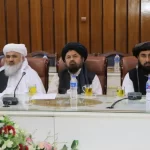




This morning, talks between Iran and the United States held in Islamabad unfortunately concluded without any concrete results. While the meeting was aimed at easing long-standing tensions between the two sides, its lack of immediate outcomes should not be viewed as an endpoint, but rather as a step forward on the path toward peace.
In international politics, it is widely understood that deep-rooted disputes and complex geopolitical conflicts cannot be resolved overnight. Relations between Iran and the United States have been shaped by decades of mistrust, pressure, and opposing positions. Expecting a single round of talks to resolve such entrenched issues is unrealistic. However, the very act of coming together at the negotiating table demonstrates that the door to dialogue remains open.
The failure of today’s negotiations should serve as an opportunity for reflection rather than a reason for retreat. Even when talks do not yield immediate breakthroughs, they contribute to building trust, clarifying positions, and laying the groundwork for future agreements.
In this context, many of Iran’s demands appear largely reasonable. The country has endured years of economic sanctions and political pressure, and it is natural for any nation to seek the protection of its national interests, economic stability, and political sovereignty. Ignoring these concerns is unlikely to resolve the conflict and may instead deepen it.
On the other hand, the United States bears a significant responsibility to demonstrate flexibility in the interest of global stability. A continued hardline approach may produce short-term leverage, but lasting solutions can only emerge through dialogue, mutual respect, and compromise. A more conciliatory stance from Washington could help foster an atmosphere of trust and open the door to meaningful progress.
The broader regional context also underscores the urgency of careful and constructive engagement. Any escalation between Iran and the United States risks triggering wider instability, with consequences that could extend beyond the two countries and impact the global economy and security environment.
History consistently shows that war is not a sustainable solution to political disputes. Instead, it often creates new crises and deepens human suffering. The continuation of dialogue, therefore, remains the only viable path toward a stable and peaceful future.
In conclusion, although this morning’s talks ended without tangible results, they should not lead to despair. Rather, they represent one phase in a longer process. Efforts toward peace must continue, both sides must exercise patience and flexibility, and the international community should support the continuation of dialogue.
If properly understood, today’s setback can pave the way for tomorrow’s success—because peace is ultimately built through engagement, not confrontation.