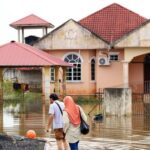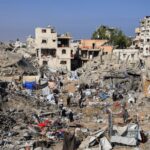




In recent days, severe rainfall and devastating floods across various provinces of Afghanistan have caused extensive damage to the lives and livelihoods of our people. While such natural disasters occur periodically, this year’s floods have been particularly intense and widespread. Homes have been destroyed, agricultural lands washed away, infrastructure damaged, and thousands of families left without access to basic necessities. This situation is not merely a natural disaster—it is a profound humanitarian crisis that demands immediate, coordinated, and large-scale response.
At a time when many Afghans are already struggling with economic hardship, unemployment, drought, and other social challenges, these floods have delivered yet another heavy blow. Countless families who relied on daily wages have now lost both their homes and their means of survival. Children, women, and the elderly are among the most vulnerable, and their conditions require urgent and sustained attention.
In this critical moment, the role of all segments of society is vital alongside government efforts. Afghan investors, business leaders, industrialists, and affluent individuals must rise to their national and humanitarian responsibilities. This is the time to demonstrate genuine solidarity and unity—not merely through words, but through meaningful action. Providing emergency aid, distributing food and clean water, building temporary shelters, delivering healthcare services, and supporting the rehabilitation of affected areas are essential steps that can help restore hope and stability.
Moreover, Afghanistan’s private sector can play a significant role in organizing and delivering assistance effectively. Launching relief campaigns, raising public awareness, and coordinating with local authorities can ensure that aid reaches those most in need in a transparent and efficient manner.
On the international front, humanitarian organizations and global aid agencies must pay serious attention to the ongoing crisis in Afghanistan. The country continues to depend heavily on international assistance, and disasters like these only intensify that need. The global community must set aside political considerations and act based on humanitarian urgency. Swift, transparent, and targeted aid delivery can not only reduce immediate suffering but also help rebuild public trust.
At the same time, it is essential to think beyond immediate relief and consider long-term solutions. Improving water management systems, investing in flood prevention infrastructure, promoting environmental protection, and enhancing public awareness are crucial measures that can mitigate the impact of similar disasters in the future. Emergency aid alone is not enough—we must move toward sustainable and resilient solutions.
This is a moment for unity, compassion, and collective action. If we fail to support one another in times of hardship, we risk losing the very essence of our shared humanity. Let us stand beside our fellow citizens, feel their pain as our own, and work together to overcome this crisis.
The actions we take today will shape the history of tomorrow. By fulfilling our responsibilities, we not only save lives but also strengthen the foundation of a united, compassionate, and dignified nation. The true test of humanity lies in this: to see the suffering of others as our own and to stand together in times of need.