



The estimated cost of the proposed Trans-Afghan Railway linking Uzbekistan, Afghanistan and Pakistan has risen to more than $7 billion, according to Uzbek Deputy Minister of Transport Jasurbek Choriyev.
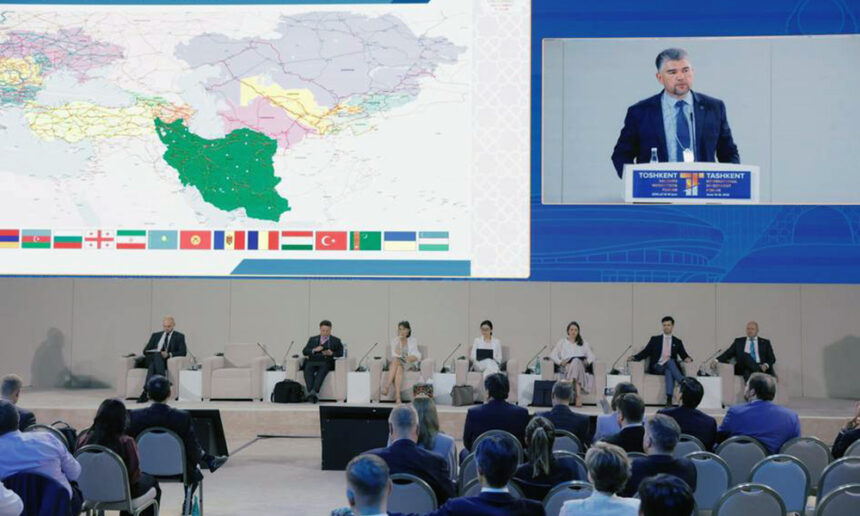
Speaking at the Tashkent International Investment Forum on June 18, Choriyev said the updated figure reflects ongoing technical assessments and the evolving scope of the project. Earlier estimates had placed the cost at around $4.8 billion.
He noted that a detailed feasibility study for the strategic railway is currently underway and is expected to be completed by the end of 2026.
Strategic regional corridor
The Trans-Afghan Railway is planned to establish a direct rail link from Termez in Uzbekistan through Mazar-e Sharif, Logar, Kharlachi and Torkham in Afghanistan, before continuing into Pakistan and connecting with major ports including Karachi.
The project includes approximately 760 kilometers of new railway construction inside Afghanistan, between Mazar-e Sharif and Torkham.
According to officials, the railway is expected to significantly reduce transport time between Central Asia and Pakistan—from around 35 days to as little as three to five days—while also lowering logistics costs.
Trade and cargo capacity
Choriyev said the railway could handle up to 20 million tons of cargo annually, doubling earlier estimates of 10 million tons.
He added that the corridor would provide Central Asian countries with faster access to global maritime trade routes and strengthen economic links between South Asia, Central Asia and CIS states, where combined trade exceeds $700 billion.
Officials also estimate that container transport costs along the route could be reduced by nearly three times compared to existing logistics pathways.
Financing and international interest
The deputy minister confirmed that several countries, including the United Arab Emirates and Qatar, have expressed interest in participating in the project. The Eurasian Development Bank has also indicated readiness to support financing.
Uzbek officials have been promoting the railway as a long-term strategic infrastructure project aimed at boosting regional connectivity and trade integration. While feasibility work continues through 2026, final investment and construction decisions are expected to follow upon completion of the study.
The project is widely seen as a key component of efforts to transform Afghanistan into a transit hub linking Central and South Asia.