At a time when the region’s security and economic conditions deeply affect every household, Afghanistan and Pakistan have a historic opportunity to establish lasting peace and cooperation. The ongoing negotiations in Istanbul must conclude successfully, guided by the national interests of both countries. War and rivalry are not just state-level issues; they harm every family, every farmer, every trader, and especially our Pashtun communities—those who live on both sides of the Durand Line.
It is evident that the continuation of conflict remains a major obstacle to human life and development. Educational institutions remain closed, farmers and traders lose their livelihoods, and the cultural and moral fabric of the region burns in the flames of war. If we truly care about our future, it is essential for politicians and all segments of society to commit themselves to sincere and truth-based dialogue. The Istanbul talks must not become another excuse to prolong conflict; rather, they should mark the beginning of a new era—one that brings economic, educational, and humanitarian benefits to the people of the region.
Particular attention must be given to the situation of Pashtuns living across Khyber Pakhtunkhwa and southern Afghanistan. These people have shared family, cultural, and economic ties that span decades, despite the presence of a hypothetical line dividing them. It is crucial for both governments and communities to act wisely and not allow themselves to become victims of the strategic games of global powers. Certain countries have long exploited instability in the region for their own gain, ensuring that both sides of the Durand Line remain trapped in conflict and deprived of progress. We must remain vigilant, united, and determined to protect our collective interests.
Peace is not merely about laying down arms—it is about building trust, establishing economic partnerships, opening trade routes for border communities, and fostering cultural and educational exchanges. If both countries genuinely wish to bring prosperity to their people, they must jointly invest in infrastructure, ease transit procedures, promote educational cooperation, and expand trade. Regional development depends on such interconnectedness and joint projects, which bring tangible improvements to people’s lives and reduce the causes of unemployment and instability.
Meanwhile, civil society, journalists, cultural figures, and local activists must amplify the voice of peace and understanding. Border communities need to realize that the message of war only obstructs their reconstruction and well-being. Youth in these regions should be encouraged toward education and employment, not misled into serving as instruments for others’ political goals. Our primary duty is to secure stability and prosperity for future generations.
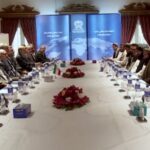
Participants in the Istanbul peace talks must prioritize long-term security and economic cooperation over short-term political gains. The discussions should be transparent, based on practical plans, and inclusive of representatives of the people, ensuring that all concerns are heard and addressed. Should the talks proceed in isolation or with weak agendas, they risk opening another chapter of doubt and pessimism.
Although some external powers continue to fuel divisions in the region, both nations must act in defense of their mutual interests. It is essential to respect the shared national identity and rights of those living on both sides of the Durand Line and to ensure they are not turned into collateral victims of regional rivalries. History teaches us that wars have never produced lasting gains for any nation—only destruction, displacement, and grief.
The path toward peace is clear and practical: commitment to ceasefire, creation of joint committees to address local challenges, ensuring the return of refugees and displaced families, and establishing mechanisms for local reconciliation. If these steps are implemented with sincerity and public participation, trust will grow and major challenges can be overcome. However, all these actions must be taken with genuine intent and coordination by both governments.
In the end, it is our shared responsibility—politicians, businesspeople, journalists, religious and tribal leaders, and ordinary citizens—to raise our voices for peace. The ongoing Istanbul talks represent the opening of a new chapter for both nations. If we fail to seize this opportunity, a new wave of instability could emerge for generations to come. But if we act wisely and in unity, we can secure prosperity, stability, and progress for our people. Never forget—the cause of peace serves both Afghanistan and Pakistan, and above all, the Pashtun communities living on both sides of the Durand Line.
The Time for Neighborly Dignity — The Istanbul Peace Talks Must Succeed


Leave a Comment