


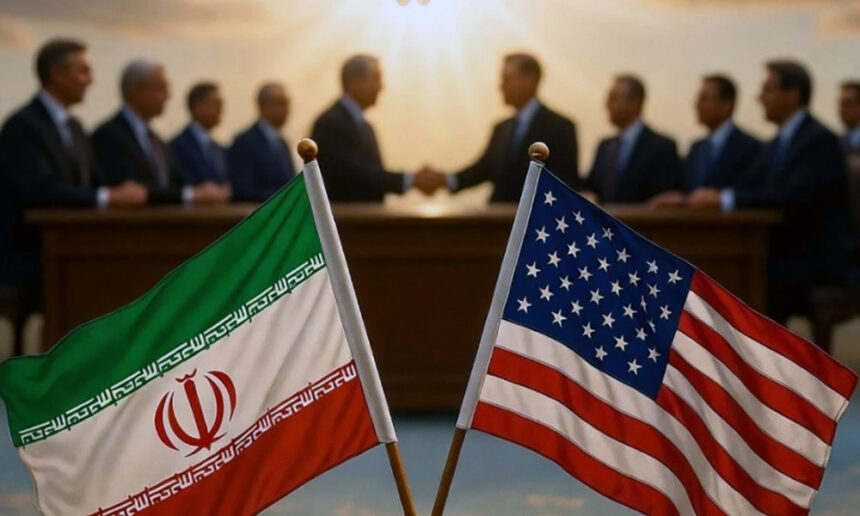
The United States and Iran have held their first high-level talks since June, with discussions taking place on the sidelines of the United Nations General Assembly in New York amid continued fighting and growing international pressure to end the conflict.
Iranian Foreign Minister Abbas Araghchi and US special envoy Steve Witkoff took part in the talks, which were mediated by Qatar. US envoy Jared Kushner also participated on the American side, according to reports.
No breakthrough was immediately reported. Witkoff said the two sides had completed a round of discussions that he hoped would prove “constructive and promising”, adding that mediators would continue their efforts.
Iranian officials said Araghchi conveyed Tehran’s conditions, including an end to what Iran describes as US acts of aggression and the lifting of measures affecting Iranian shipping and assets.
The talks came just hours after US President Donald Trump warned in his address to the UN General Assembly that he could “annihilate” Iran if no agreement was reached.
Trump said Iran faced a choice between reaching a deal and what he described as destruction, while also saying he believed an agreement could be reached after the US midterm elections in November.
Trump later described the three-hour discussions as very productive. Witkoff, however, clarified that the two sides communicated through mediators who shuttled between the delegations rather than holding direct face-to-face negotiations.
The latest contact follows months of conflict between Iran, Israel and the United States. The fighting has also disrupted shipping through the Strait of Hormuz, one of the world’s most important energy routes.
Iran has indicated that it could reopen the strategic waterway if Washington takes steps to ease military and economic pressure on Tehran. Iranian officials have linked the issue to demands including the lifting of the US naval blockade and the release of frozen Iranian assets.
The Strait of Hormuz is a key route for global energy supplies, and its closure has contributed to volatility in international oil markets.
Despite the renewed diplomatic contact, significant differences remain between Washington and Tehran over the war, Iran’s nuclear programme, sanctions, shipping through the Strait of Hormuz and US military operations in the region.
Iranian President Masoud Pezeshkian is due to address the UN General Assembly on Wednesday, with further diplomatic efforts expected to continue in New York.