


At a time when the world is witnessing unprecedented advances in technology, connectivity, and global cooperation, the ongoing conflict in the Middle East is dragging humanity into a dark and dangerous phase. This war is not merely a clash of weapons and armies; it is a painful reflection of politics, power struggles, selfishness, and indifference—one that continues to claim innocent lives and deepen human suffering with each passing day.
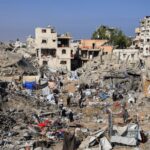
The flames of this conflict are no longer confined within the borders of a single region. They have begun to affect the global economy, international security, and the psychological well-being of people around the world. Children are being killed, families are being displaced, cities are being reduced to rubble, and hopes for peace are slowly fading away. Ignoring this reality is no longer just negligence—it is a grave moral failure.
In this unfolding tragedy, the role of global powers is more questionable than ever. Countries like the United States, which are expected to lead efforts toward peace and stability, have at times supported policies that deepen and prolong the conflict. Leaders such as Donald Trump, whose approach has often been marked by personal ambition, political self-interest, and divisive rhetoric, have contributed to an already fragile global order. Leadership that prioritizes ego over humanity does not resolve crises—it intensifies them.
Today, the world is not only witnessing a war; it is standing at the threshold of a moral reckoning. The question remains: will we continue to remain silent, or will we act? Will international institutions limit themselves to expressions of concern, or will they take meaningful and decisive steps?
The United Nations now faces one of the most critical tests of its credibility. This is a moment that demands neutrality, urgency, and real action. The organization must move beyond statements and convenings, and instead create a strong framework for dialogue, apply pressure on all parties involved, and take concrete steps to protect human lives. Words alone are no longer enough.
At the same time, the global community, regional actors, and ordinary citizens must raise their voices. This conflict is not just the concern of politicians—it is the responsibility of every individual who believes in peace, justice, and human dignity. If we remain silent today, the consequences of this fire will not remain distant—it will eventually reach us all.
History will not forgive those who chose silence in the face of injustice. This is the time to act, the time to awaken our conscience, and the time to embrace our shared responsibility. If the world fails to unite now, this crisis will not only devastate a region, but will also threaten the future of all humanity.
Let us hear this cry—before it is too late.