


Iran has moved to tighten control over the strategic Strait of Hormuz, seizing two vessels and escalating tensions despite an announcement by US President Donald Trump that the United States would halt further attacks on the country.
The developments come amid confusion over the status of a fragile ceasefire between Iran and U.S.-aligned forces. While Washington signalled an extension of the truce to allow for renewed negotiations, Iranian officials have not confirmed any agreement and have instead criticised the continued U.S. naval blockade.
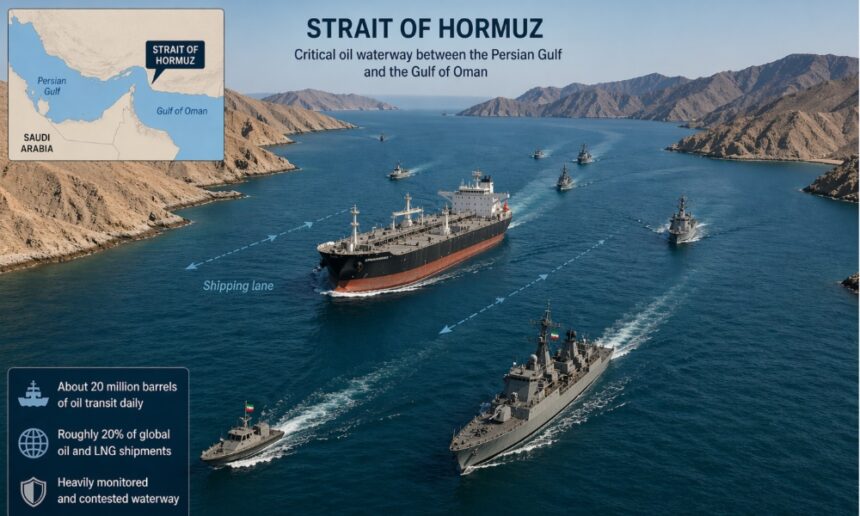
Mohammad Baqer Qalibaf said a meaningful ceasefire would require the lifting of restrictions on Iran’s maritime trade, describing the blockade as a violation of any truce. He added that reopening the vital oil transit route—through which roughly a fifth of global supply once passed—would be impossible under current conditions.
The Islamic Revolutionary Guard Corps (IRGC) said it had detained two foreign-flagged ships for alleged regulatory violations, including operating without permits and tampering with navigation systems. A third vessel was reportedly fired upon but continued its journey without damage, according to maritime security sources.
The U.S. has condemned the seizures, with officials describing them as acts of piracy. At the same time, American forces have continued enforcing a naval blockade, redirecting dozens of ships and intercepting Iranian oil tankers in waters as far afield as South and Southeast Asia.
The standoff has left the Hormuz passage effectively constrained, raising concerns for global energy markets. Brent crude oil prices have climbed above $100 a barrel, reflecting growing fears of prolonged disruption.
Efforts to revive diplomacy remain stalled. Pakistan, which has been mediating between the sides, has yet to secure a new round of talks after both delegations failed to attend a scheduled meeting in Islamabad earlier this week.
Washington has said it is willing to pause military action while discussions continue, but no deadline has been set. The U.S. is pressing Iran to curb its nuclear programme, while Tehran is demanding sanctions relief, compensation for war damage, and recognition of its authority over the strait.
The broader conflict—sparked by joint U.S.-Israeli strikes on Iran in late February—has killed thousands across the region, including in Lebanon, where the Iran-backed Hezbollah has been engaged in fighting with Israel.
With no clear path to de-escalation, the situation remains volatile, and the risk of further disruption to global shipping and energy supplies persists.