



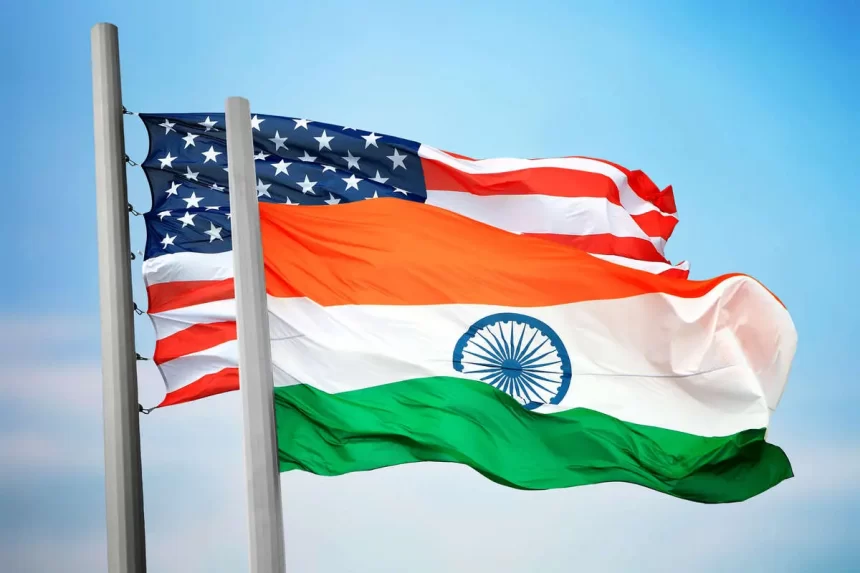
Relations between the United States and India are entering a significant new phase, marked by an intensified series of high-level engagements that underscore the growing importance of their partnership on the global stage. These interactions reflect a deliberate and strategic effort by both nations to strengthen cooperation across multiple domains, ranging from trade and technology to security and energy.
At the heart of these engagements lies a shared recognition that closer collaboration is essential in navigating an increasingly complex international environment. As two of the world’s largest democracies and major economic powers, the United States and India are positioning their relationship as a cornerstone of stability, innovation, and growth in the 21st century.
One of the most critical aspects of this evolving partnership is economic cooperation. Both countries are actively working toward enhancing trade relations, with a strong focus on reducing barriers, improving market access, and fostering a more balanced flow of goods and services. The potential for a comprehensive trade framework carries significant implications not only for bilateral commerce but also for global supply chains and economic resilience. A strengthened economic partnership between the United States and India could serve as a stabilizing force amid ongoing uncertainties in the global economy.
Beyond trade, strategic and security cooperation has emerged as a central pillar of the relationship. With increasing geopolitical competition and shifting power dynamics, particularly in the Indo-Pacific region, both nations see value in aligning their strategic interests. Enhanced coordination on defense, maritime security, and regional stability reflects a broader commitment to maintaining a free and open international order. This dimension of the partnership highlights the growing convergence of U.S. and Indian perspectives on key global challenges.
Technology and innovation represent another crucial area of focus. As the global economy becomes increasingly driven by advanced technologies, collaboration in sectors such as artificial intelligence, semiconductors, and digital infrastructure has taken on heightened importance. By working together in these fields, the United States and India aim to strengthen their technological capabilities, reduce dependencies on external actors, and drive future economic growth. This cooperation also has the potential to shape global standards and norms in emerging technologies.
Energy and resource security further reinforce the strategic nature of the relationship. Both countries are exploring opportunities to expand cooperation in energy production, critical minerals, and sustainable resource management. These efforts are particularly important in the context of global energy transitions and the need for secure and diversified supply chains. Strengthened collaboration in this sector can contribute to long-term economic stability and environmental sustainability.
Overall, the ongoing engagements between the United States and India signal a shift toward a deeper, more comprehensive partnership. Rather than being limited to isolated areas of cooperation, the relationship is evolving into a multifaceted alliance that integrates economic, strategic, and technological dimensions.
The importance of these developments extends far beyond bilateral ties. A stronger U.S.–India partnership has the potential to influence regional dynamics, support global economic recovery, and contribute to shaping the future balance of power. As both nations continue to build on this momentum, their cooperation is likely to play an increasingly pivotal role in addressing the challenges and opportunities of a rapidly changing world.