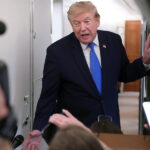
In recent years, an important shift has been rapidly unfolding in the arena of global politics: the level of trust the United States once held as a leader of the international order is visibly moving toward decline and isolation. Although the United States remains one of the world’s major economic and military powers, its political credibility and moral influence in global affairs have come under serious question. Wealthy and developing nations alike are increasingly reluctant to view America as a reliable and stable partner, and instead are seeking to diversify their relationships and engage with new allies.
A key reason behind this shift is the perceived inconsistency and double standards in U.S. foreign policy. Over the past years, repeated military interventions, economic sanctions, and contradictory positions on international conflicts have led many countries to question the dependability of American commitments. Nations that once regarded the United States as the guarantor of the global order now observe a transition from a unipolar system toward a more multipolar world. Within this emerging structure, countries aim to safeguard their national interests through balanced and diversified partnerships rather than relying on the shadow of a single superpower.
Europe, long considered America’s closest partner since the Second World War, is increasingly debating the need for greater strategic autonomy. European nations recognize that long-term stability requires strengthening their own defense and economic foundations rather than depending exclusively on the United States. A similar pattern is visible in the Middle East, where many countries are pursuing balanced relations among major powers and making strategic decisions based on regional interests. Even the United Kingdom, historically known for its special relationship with the United States, is seeking broader partnerships to secure its economic and political priorities.
This global trend is not driven solely by political disagreements; economic and technological transformations also play a significant role. The rapid economic growth of Asia, the rise of new technological powers, and the strengthening of regional organizations have ensured that the world no longer revolves around a single axis. Countries are increasingly cooperating with multiple partners in trade, investment, and technology to protect themselves from potential political pressures.
For the United States, this situation serves as an important warning. If it intends to restore global trust, it must reassess its foreign policy, reinforce respect for international law, and build relationships grounded in mutual respect. A shift from coercion and pressure toward cooperation and dialogue could help repair the gap that has widened in recent years.
The international community is now searching for partners capable of building relations based on stability, trust, and reciprocity. If the United States can adapt to this evolving reality, it still has an opportunity to maintain a constructive global role. However, if the current trajectory continues, American isolation is likely to deepen, and the world will increasingly define its future around new balances of power.
America’s Global Credibility in Decline; The World Is Turning Toward New Partners



Leave a Comment