


The World Health Organization (WHO) has warned that declining international humanitarian funding is disrupting healthcare services across Afghanistan, forcing some health facilities to close and limiting access to essential medical care.
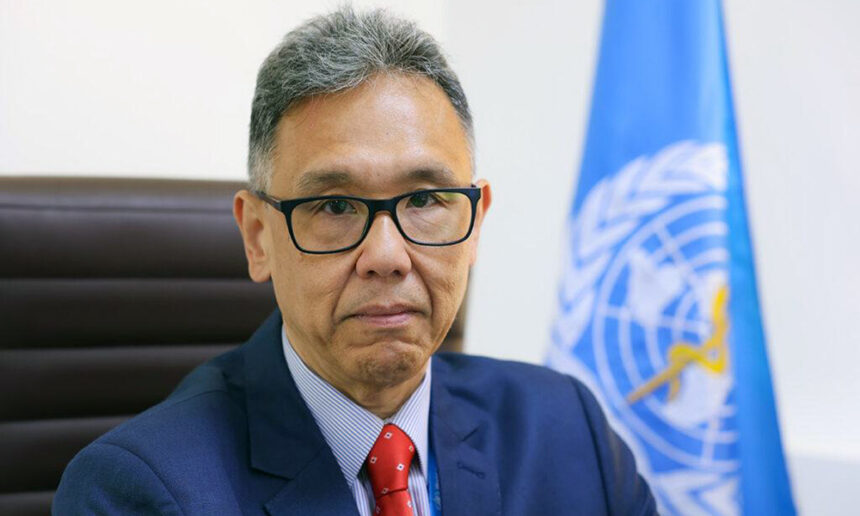
Speaking to Ariana News, WHO Representative in Afghanistan Edwin Ceniza Salvador said cuts in humanitarian assistance have placed the country’s health sector under increasing pressure, with many healthcare centers struggling to remain operational.
He said the funding shortfall is largely due to the growing number of humanitarian crises around the world, which have diverted international financial resources away from Afghanistan.
Salvador stressed that while continued humanitarian support remains essential, Afghanistan must also increase domestic investment in healthcare to build a more sustainable system.
“We have unfortunately seen a decline in global humanitarian funding in recent months because new emergencies have emerged in different parts of the world,” Salvador said. “As a result, many health facilities in Afghanistan are facing difficulties, and some have been forced to close. Alongside continued humanitarian support, greater domestic investment and increased funding for the health sector are essential.”
He noted that Afghanistan continues to face the effects of years of conflict, natural disasters and drought, making humanitarian assistance a critical lifeline for millions of people.
Despite the funding challenges, Salvador said the country has made progress in key health indicators, including increased childhood vaccination coverage and a decline in maternal mortality. However, he said expanding access to healthcare will require broader cooperation across government institutions and development partners.
The WHO warning comes amid growing concern from UN agencies over shrinking humanitarian funding for Afghanistan. Aid organizations have warned that reduced international assistance, coupled with the return of millions of Afghan migrants and the increasing impact of natural disasters, could further strain the country’s already fragile healthcare system and deepen the humanitarian crisis.