



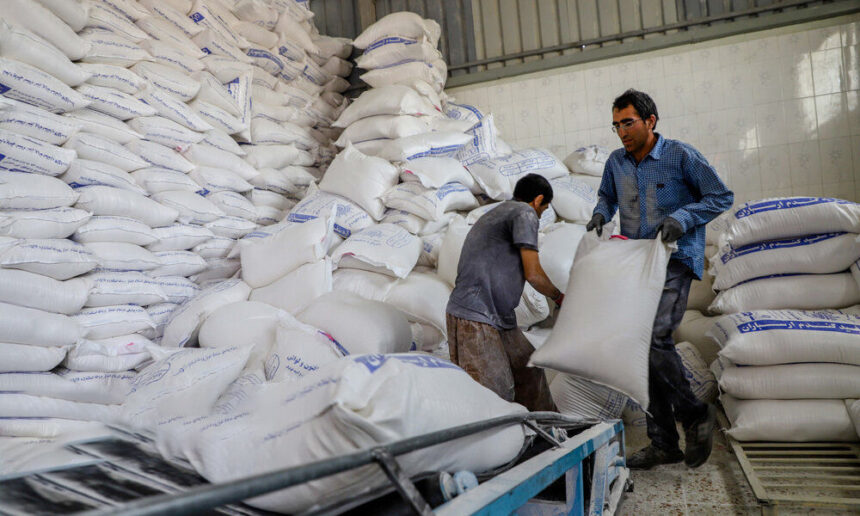
Uzbekistan is strengthening its position in Afghanistan’s wheat flour market, intensifying competition for traditional suppliers Kazakhstan and Russia, according to a representative of Kazakhstan’s grain processing industry.
Yevgeny Gan, chairman of the board of founders of Kazakhstan’s Union of Grain Processors, said Uzbekistan exported approximately 1.6 million tonnes of flour worth $441.7 million in 2025. Afghanistan accounted for 99.9% of these shipments, highlighting the country’s importance as a destination for Uzbek flour.
Kazakhstan has been among the biggest losers from the shift. Gan said Kazakh flour exports to Afghanistan fell by around 200,000 tonnes in 2025 compared with the previous year, as Uzbek producers strengthened their competitive position.
Lower transportation costs and the absence of transit tariffs along relevant trade routes have helped Uzbek flour producers offer more competitive prices in the Afghan market, Gan said.
The changing trade pattern has created an unusual dynamic in the regional grain industry. Uzbekistan relies heavily on wheat supplied by Kazakhstan, processes the grain in its own mills and then exports the finished flour to Afghanistan.
This means Kazakhstan continues to supply a key raw material to its neighbour while its own flour processors face growing competition from Uzbek producers in one of their important export markets.
Russian flour exporters are also facing increasing challenges in maintaining their position in Afghanistan as competition across regional markets intensifies.
According to the report, Russian suppliers are looking towards alternative destinations, including China, to offset mounting competitive pressure.
The developments highlight how transport costs, domestic processing capacity and access to efficient trade routes are reshaping agricultural trade across Central Asia. Countries able to process grain and deliver flour at competitive prices are gaining an advantage in regional markets.
For Afghanistan, the figures underline the country’s strong reliance on regional suppliers for wheat flour and the growing role of Uzbekistan in meeting that demand.
However, the reported export figures do not establish whether the shift in suppliers has affected flour prices in Afghanistan or reduced costs for consumers.