


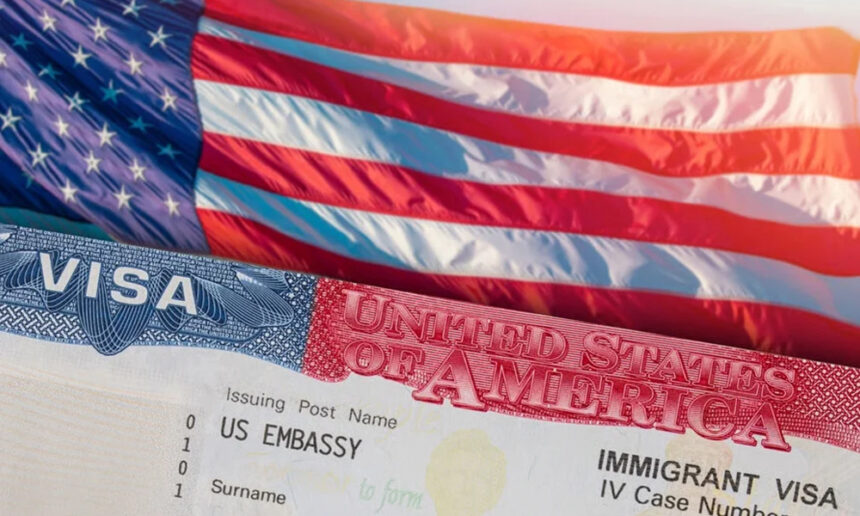
A US federal judge has struck down a Trump administration policy that suspended the issuance of immigrant visas to applicants from 75 countries, including Afghanistan, ruling that the measure exceeded the legal authority of Secretary of State Marco Rubio.
US District Judge Jeannette Vargas in Manhattan described the policy as “patently unlawful,” saying it conflicted with federal immigration law by categorically restricting immigrant visa issuance based on applicants’ nationality.
The State Department introduced the suspension in January, affecting applicants from countries across South Asia, Africa, the Middle East, Latin America, the Caribbean and the Balkans. Afghanistan, Pakistan and Bangladesh were among the countries covered by the policy. The department had argued that applicants from the designated countries were considered at high risk of becoming dependent on public assistance in the United States.
The judge’s ruling followed a lawsuit brought by immigrant-rights organizations, visa applicants and US citizens sponsoring relatives from affected countries. The plaintiffs argued that the blanket suspension unlawfully prevented consular officers from making individualized assessments required under immigration law.
The decision is significant for Afghan applicants who have been waiting for US immigrant visas, including some applicants pursuing family-based and other immigrant pathways. However, the ruling does not mean that all Afghan visa restrictions have been removed or that visas will be issued automatically. Individual applicants must still meet all applicable immigration and security requirements, and other US entry restrictions remain separate from the policy challenged in this case.
The ruling is another legal challenge to the Trump administration’s broader immigration crackdown, which the administration says is intended to strengthen screening and protect US national security. Immigrant-rights groups have argued that some of the administration’s measures unlawfully restrict due process and disproportionately affect people from certain countries.