


The United Nations Office on Drugs and Crime (UNODC) and the International Organization for Migration (IOM) have warned that Afghanistan’s worsening humanitarian and economic crises are increasing the risk of human trafficking, calling for stronger national and regional action to protect vulnerable people.
In a joint statement marking the World Day against Trafficking in Persons, the agencies said mass returns of Afghans from neighboring countries, the collapse of the rural opium economy, aid cuts, natural disasters, and ongoing restrictions on women and girls have left many people at greater risk of exploitation.
The agencies cited recent findings showing that only 11 percent of surveyed returnees were fully employed or owned a business, while 56 percent of returnee households could not meet basic living costs. Nearly half relied on loans or donations to survive, increasing the risk of forced labor, debt bondage, and other forms of exploitation.
UNODC and IOM said victims are forced into unsafe working conditions, forced labor, sexual exploitation, slavery-like practices, and in some cases, organ removal. Women, children, returnees, and indebted households remain among the most vulnerable, with exploitation reported in domestic work, agriculture, mining, brick kilns, carpet weaving, forced begging, forced marriage, and child recruitment.
The agencies also warned of a growing global trend of trafficking for forced criminality, in which victims are coerced into online fraud and scam operations.
UNODC Country Representative Polleak Ok Serei said mass returns, opium eradication without alternative livelihoods, aid cuts, natural disasters, and restrictions on women have made Afghans more vulnerable to trafficking, underscoring the need for stronger prevention and victim protection.
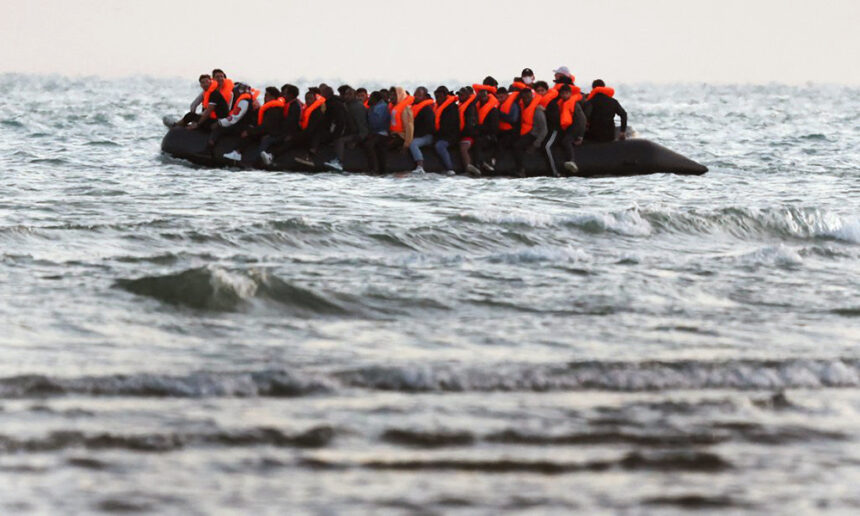
IOM Afghanistan Chief of Mission Mihyung Park said the scale of returns has exceeded the ability of Afghan communities to absorb returnees without significant international support, leaving many without livelihoods, housing, or basic services and increasing the likelihood of dangerous migration and exploitation.
The agencies called for improved victim identification, stronger protection measures, better access to essential services and livelihoods, safer migration pathways, and closer regional cooperation to combat trafficking networks. They also announced a joint assessment of human trafficking and migrant smuggling in Afghanistan to strengthen prevention, protection, and law enforcement efforts.