


By Zhao Yunfei
Andijan’s train station sits on the eastern edge of Uzbekistan’s rail network and is gearing up for a larger role in regional connectivity.
The China-Kyrgyzstan-Uzbekistan railway is still being built. But when it opens, it will link Andijan through Kyrgyzstan to China’s Xinjiang, cutting the travel time and pulling Eurasia closer together.
The railway is one of many examples of Shanghai Cooperation Organization (SCO) members turning political trust built over the years into practical cooperation. Today’s connectivity efforts trace back to the cooperative approach that shaped the SCO from the start.
In the early 1990s, China, Russia and the newly independent Central Asian states faced the challenge of managing their borders. In 1996, the five countries—China, Russia, Kazakhstan, Kyrgyzstan and Tajikistan—met in Shanghai and agreed to build military trust along their shared frontiers. The next year in Moscow, they went further and cut forces in the border areas. Uzbekistan joined in 2001, and the Shanghai Five became the Shanghai Cooperation Organization.
Lasting stability only works if countries trust each other. Out of that experience came what everyone calls the Shanghai Spirit—mutual trust, mutual benefit, equality, consultation, respect for the diversity of civilizations and the pursuit of common development.
It marked a post-Cold War strategy of dealing with one another that favored finding consensus instead of lining up in opposing blocs.
Twenty-five years later, that approach has spread well beyond security. The SCO is now the world’s largest regional organization. In a time of rising global tensions and uncertainty, many Global South countries want a bigger say in how the world is run. The SCO has brought states with different interests and cultures together.
At the 2025 Tianjin Summit, China put forward the Global Governance Initiative, calling for a more just system of global governance. The initiative has since gained support from nearly 160 countries and international organizations.
The SCO’s role in global governance is reflected in the direction of its next stage of development. It’s focusing on a wider agenda: strengthening strategic trust, supporting dialogue over confrontation, advancing connectivity and contributing to a more democratic and just multipolar world.
China has already started turning the talk into actions. In the year since Tianjin, seven new platforms have been set up, covering green industry, the digital economy, science and technology, energy, higher education, vocational training and artificial intelligence. Together they’ve produced more than 160 concrete projects.
The organization is also looking to deepen engagement with countries beyond its current membership, giving its experience in multilateral cooperation a wider international reach.
At 25, the SCO looks more like a working model of multilateral cooperation. The Shanghai Spirit runs through it all: starting with trust, building through practical work and pushing toward a more inclusive way of managing global affairs.
Zhao Yunfei is a journalist for CGTN.
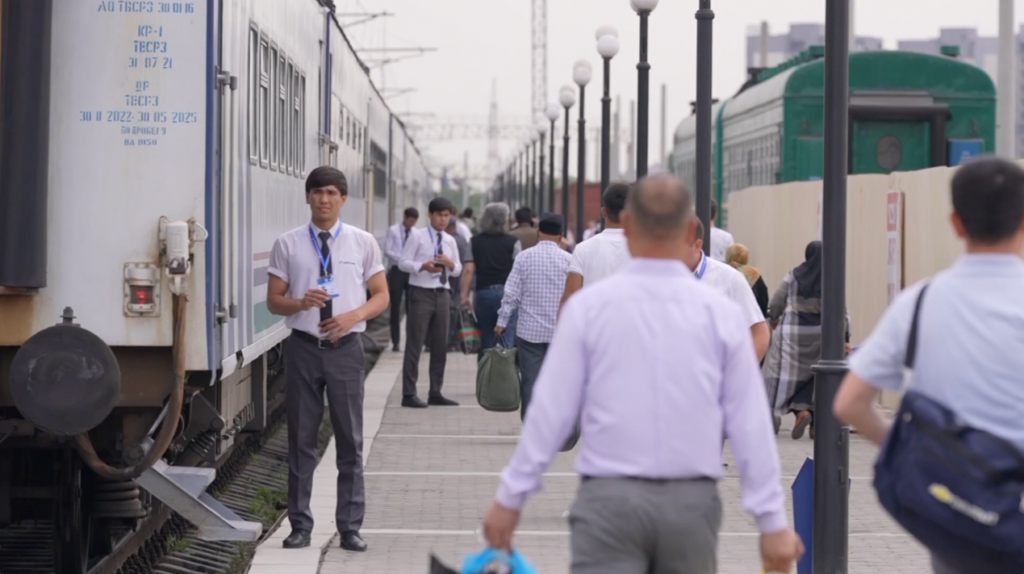
Caption 1: The China-Kyrgyzstan-Uzbekistan railway is expected to connect Uzbekistan’s Andijan with China’s Xinjiang through Kyrgyzstan. / CGTN
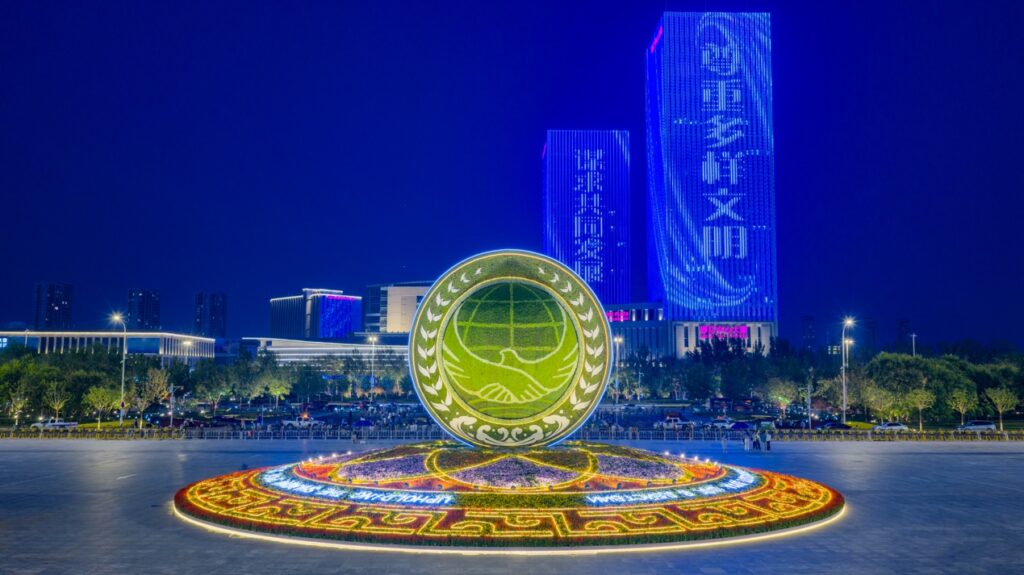
Caption 2: The “four security centers” established at the Tianjin Summit extend the SCO’s security mission into tackling nontraditional threats. / VCG