



Polio is a dangerous and contagious disease that threatens children’s health and future, but it can be prevented through vaccination. The fight against polio is not solely the responsibility of health institutions; rather, it is a shared responsibility of every member of society. In Afghanistan, where the poliovirus continues to threaten children’s lives, the importance of vaccination must be understood and taken more seriously than ever before.
Providing children with a healthy life is one of the most important responsibilities of every family, society, and government. Vaccination is an effective and valuable means of saving children’s lives and preventing the spread of polio. The few drops of vaccine given to a child are an important step in protecting that child from permanent paralysis and the devastating consequences of this disease. Therefore, no family should deprive its child of vaccination, and no child should be exposed to the risk of disease because of ignorance, negligence, or misinformation.
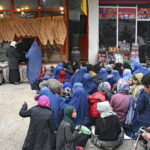
On the occasion of World Polio Day, the United Nations Children’s Fund (UNICEF) has once again emphasized efforts to eradicate polio and praised the dedication of health workers. These workers travel from house to house under difficult conditions, deliver vaccines to children, and make tireless efforts to achieve a polio-free Afghanistan. Their efforts deserve appreciation, but the success of this campaign does not depend solely on their work; public cooperation and the trust of families also play a fundamental role.
Afghanistan and Pakistan are among the countries that continue to face the threat of polio. The registration of positive polio cases in Afghanistan demonstrates that more work is needed to prevent the disease. The poliovirus does not remain confined to one area; rather, it can spread to other areas through people’s movement and travel. Therefore, failing to vaccinate one child can put not only that child’s health but also the safety of other children at risk.
For this reason, families must fully cooperate with every vaccination campaign, allow vaccination teams to vaccinate their children, and rely on credible health recommendations rather than misinformation about polio. Religious scholars, tribal elders, teachers, the media, and influential members of society must also play an active role in raising public awareness so that every family understands the importance of vaccination and considers protecting children’s health a shared responsibility.
Furthermore, the relevant health authorities and international partners must implement vaccination campaigns in an organized, effective, and equitable manner, facilitate the delivery of vaccines to remote areas, and ensure that no child is deprived of vaccination because of geographical, economic, or social challenges.
In conclusion, eradicating polio is not an impossible dream but an achievable goal. However, reaching this goal requires a shared commitment, cooperation, and sustained efforts from everyone. Every vaccinated child represents a step toward victory over the disease, and every family that cooperates with vaccination contributes to building a healthy and safe generation.
Let us support vaccination to protect our children’s lives and futures, strengthen the efforts of health workers, and work together to build an Afghanistan where no child faces the risk of permanent paralysis caused by polio. The fight against polio is a shared responsibility and an essential requirement for ensuring a healthy future for our children.