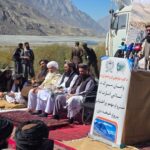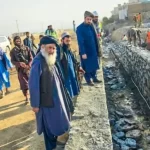




The inauguration of the Wakhan Transit Corridor in Badakhshan marks a significant development in Afghanistan’s economic and transportation landscape. The region, which has long remained relatively isolated from the rest of the country and from regional economic activity due to its rugged geography and difficult terrain, is now emerging as an important transit route connecting Afghanistan with China.
The construction of a road from Wakhan to the Chinese border is more than simply the completion of a major infrastructure project. It represents a new opportunity for Afghanistan to expand regional connectivity, strengthen trade and transit, and develop broader economic cooperation. With the corridor becoming operational, Afghanistan has the potential to strengthen its links with China’s vast market and economic capacity and, over time, increase its role in regional transportation and trade networks.
However, the true significance of this major project will become even greater if its economic and transit benefits are accompanied by tangible improvements in the lives of the people of Wakhan. Local residents have welcomed the project, but they also hope that their basic needs will receive greater attention as part of the region’s development.
The people of Wakhan need more than a road. They need schools, health clinics, telecommunications services, electricity, clean drinking water, and other basic facilities. Children in the region need access to proper educational institutions; patients need accessible and adequately equipped health centers; and families need reliable telecommunications services that can connect them with the rest of Afghanistan and the wider world.
The expansion of telecommunications services is particularly important in such a remote region. Reliable mobile networks and internet access could help connect the people of Wakhan with the rest of the country and the world, improve access to education and information, and create new opportunities for trade, tourism and local economic activity.
For the people of Wakhan, another important measure of the corridor’s success should be whether local communities can benefit directly from the economic activity it generates. Developing opportunities for trade, transportation, local markets, services and small businesses along the route could create new sources of employment and income for residents, particularly young people.
Wakhan is not merely a geographical link between Afghanistan and China. It is also a historic, natural and strategically important part of Afghanistan. Strengthening the local community and improving the quality of life of its people should therefore be an integral part of the broader development vision surrounding the corridor. Development cannot be considered complete if its benefits do not reach the communities living alongside it.
Now that the Wakhan Transit Corridor has been opened for use, attention should focus not only on maintaining and expanding the route and unlocking its economic potential, but also on addressing the needs of the people of Wakhan. Building schools, health clinics, telecommunications infrastructure, electricity facilities and other public services would not only improve living conditions, but also significantly enhance the social value of this major transit project.
The opening of the Wakhan corridor should be the beginning of a new economic route, but, more importantly, it should also open new doors for the people of Wakhan to education, healthcare, connectivity, employment and a better quality of life.
If Wakhan is now gaining a new place on the map as a link between Afghanistan and China, tomorrow it should also earn a prominent place on Afghanistan’s development map — through better opportunities and a better life for its people.