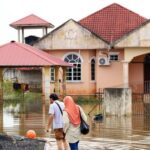




United Nations Secretary-General António Guterres’ latest warning demonstrates that climate change is no longer merely a future concern—it is an urgent reality of our time. The strengthening of El Niño, rising temperatures, irregular rainfall, prolonged droughts, and sudden floods are threats confronting Afghanistan as well as the rest of the world.
Afghanistan contributes very little to global greenhouse-gas emissions, yet it bears a disproportionately heavy cost of climate change. Its fragile economy, inadequate water management, deforestation, reliance on traditional agriculture, and limited access to international climate financing have allowed every drought and flood to develop into a major humanitarian and economic crisis.
Most Afghans depend on agriculture and livestock for their livelihoods. When rainfall declines, weather patterns become unpredictable, and water sources dry up, the consequences extend far beyond reduced harvests. Poverty, unemployment, food insecurity, and internal displacement also increase. Climate change must therefore not be regarded solely as an environmental issue; it is also a matter of economic stability, public health, national security, and human survival.
First, Afghanistan must make water management a national priority. Constructing small and medium-sized dams, harvesting rainwater, rehabilitating irrigation canals, and introducing water-efficient agricultural systems could significantly reduce the effects of drought. Each region also needs a clear assessment of its available water resources and future requirements.
Second, Afghanistan’s agricultural sector must adapt to changing climatic conditions. Farmers need access to drought-resistant seeds, modern equipment, reliable climate information, and technical training. Crops that consume large quantities of water should be replaced in arid areas with alternatives that require less water.
Third, protecting forests, rangelands, and other natural resources must move beyond rhetoric and become a practical national commitment. Uncontrolled deforestation and the destruction of vegetation on mountainsides intensify flooding and accelerate soil erosion. Tree-planting campaigns will only be effective when accompanied by long-term plans for irrigation, protection, and monitoring.
Fourth, Afghanistan must strengthen its meteorological services and early-warning systems for natural disasters. Timely alerts about floods, extreme heat, or drought could save thousands of lives and protect valuable property. Such information should not remain confined to government offices; it must reach remote communities through radio, mobile phones, mosques, and local communication networks.
Fifth, Afghanistan should actively engage with the international community on the basis of climate justice. Industrialized countries, which bear the greatest responsibility for the climate crisis, have both a moral and international obligation to provide financial and technical assistance to vulnerable nations. Climate support for Afghanistan should be separated from political disagreements and directed toward protecting lives, improving water management and agriculture, and strengthening preparedness for natural disasters.
Addressing climate change is not the responsibility of a single government institution. Public authorities, the private sector, universities, religious scholars, the media, and ordinary citizens all have a role to play. Preventing water waste, protecting trees, using clean energy, and raising environmental awareness are practical steps that every Afghan can take.
Afghanistan can no longer afford to wait for the next drought or devastating flood before taking action. Unless organized and sustained measures are implemented today to manage water, modernize agriculture, protect forests, and prepare for natural disasters, the human and economic cost will be far greater tomorrow. The climate threat demands national determination, a clear strategy, and immediate action.