The year 2025 was a year of reflection, experience, and lessons for Afghanistan. It should not be viewed merely as a change in the calendar, but rather assessed in light of the realities that have taken shape over the past three to four years. Nationwide security—something the Afghan people had long yearned for after decades of war—was not exclusive to 2025; it has been firmly established for several consecutive years and has fundamentally transformed the country’s political, social, and economic life.
This sustained security marks one of the most significant shifts in Afghanistan’s recent history. A country once synonymous with conflict, explosions, fear, and instability is now experiencing peace, stability, and a relatively normal daily life. Thanks to this security, people move freely, daily routines have stabilized, and the sense that war has truly ended can be felt across the country. Security is not merely the silence of guns; it represents mental calm, confidence for investment, and hope for the future.
One of the clearest outcomes of this lasting security has been the return of Afghan refugees. Thousands of Afghans who spent years enduring the hardships of displacement have returned home. While this return posed serious humanitarian and economic challenges, the experience of 2025 showed that it was managed with relative order. Providing shelter, basic assistance, healthcare, and essential services was not easy, but it sent a clear message: Afghanistan does not wish to abandon its own people. Although this process still requires sustainable long-term solutions, the overall experience of the past year was encouraging.
The year 2025 also marked a shift in how the world views Afghanistan. One of the most visible signs of this change was the growing presence of foreign tourists. In recent years—particularly in 2025—a notable number of international visitors traveled to Afghanistan to see the country firsthand. They experienced Afghan hospitality, historical sites, natural beauty, and, most importantly, a secure environment. This trend sends a powerful message to the world that Afghanistan is no longer merely a country of war, but a place worth visiting, understanding, and engaging with. If managed properly, tourism can become a sustainable source of income, employment, and international confidence.
Economically and urban-wise, 2025 showed signs of cautious progress. Kabul, the capital, became a clear example of this change. The city’s appearance improved, urban order increased, and public spaces became relatively more organized. Although these improvements are still far from ideal, they demonstrate that when security is sustained, reconstruction and development inevitably follow. Kabul has gradually moved away from being a war-weary city toward a more normal urban life.
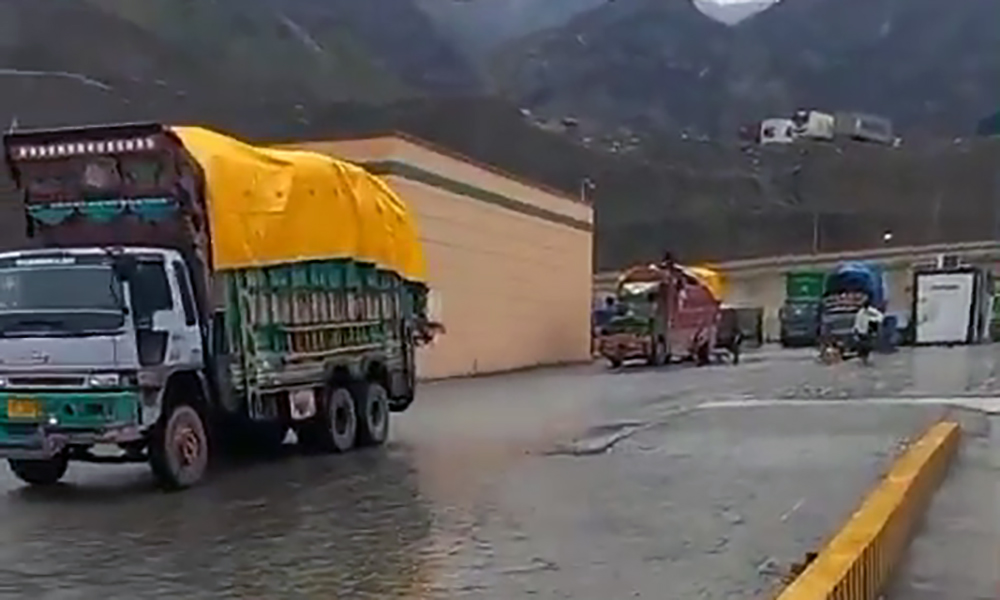
The year was also marked by regional pressures and challenges. Pakistan attempted to interfere in Afghanistan’s internal affairs, using tactics such as closing trade routes and applying economic pressure. However, these efforts failed. Pakistan did not achieve its intended objectives; instead, its actions contributed to greater unity and solidarity among Afghans. Once again, the Afghan people proved that external pressure does not weaken national unity—it strengthens it. This unity remains one of Afghanistan’s most valuable assets and must be preserved.
Despite these positive developments, serious challenges remain. The most sensitive and critical issue continues to be the situation of girls and women. In Afghanistan today, not only are the doors of education closed to girls, but significant barriers also prevent women from working and participating economically. This reality deprives the country of half of its human potential and negatively affects economic growth, social balance, and international trust. This is not merely a women’s rights issue; it is a fundamental question about Afghanistan’s future, stability, and development. A country that aspires to stand on its own feet cannot afford to exclude half of its society from education and employment.
In addition, unemployment, poverty, shortages of skilled professionals, and limited investment opportunities continue to weigh heavily on people’s lives. While security is firmly in place, security alone cannot guarantee prosperity. People need jobs, education, healthcare, and hope for tomorrow. These are the areas that require serious and practical attention in the new year.
As 2026 begins, Afghanistan stands at a stage of responsibility. This year must build on the lessons of 2025. If recent years have proven that security is possible, then 2026 must demonstrate that development, social balance, and economic growth are also achievable. The new year should be a year of decisions—decisions that open the doors of education, remove barriers facing women and girls, strengthen the economy, and improve the quality of life for all citizens.
Heart of Asia believes that Afghanistan, with its security, unity, and vast potential, can move toward a hopeful future. But this future will only be secured when security is translated into development, unity into practical policy, and when all segments of society—without exception—are allowed to participate in shaping the country’s tomorrow. The year 2026 should not be just another new year; it should mark the beginning of a new path for Afghanistan.
From Lasting Security to National Unity: 2025 as a Year of Achievements, 2026 as a Year of Responsibility


Leave a Comment