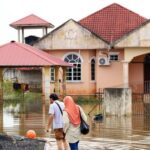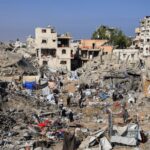




Natural disasters cannot be prevented entirely, but much of the loss of life and financial damage can be reduced through preparedness, proper planning, and timely action. In the past year, the deaths of 679 people, injuries to 1,634 others, and the destruction of thousands of homes in the country show that Afghanistan faces serious risks from disasters. These figures are not just statistics; they tell the stories of people’s lives, homes, and futures.
Afghanistan has contributed little to the creation of climate change, yet it bears the heavy consequences of floods, droughts, earthquakes, and other disasters. For this reason, the international community should provide Afghanistan with fair financial and technical assistance to mitigate the effects of climate change, regardless of political differences. But calls for international assistance must not serve as an excuse to postpone domestic responsibilities. The primary responsibility for protecting people rests with the Afghan government.
The government should develop a clear and practical national plan to reduce disaster risks—one that includes identifying high-risk areas, managing flood routes, setting standards for earthquake-resistant buildings, and specifying how emergency response should be carried out. Meteorological and early-warning systems should be strengthened so that people are alerted in time to floods, severe weather, and other potential threats. Likewise, rescue teams, health facilities, emergency shelters, and aid distribution should be organized and equipped before disasters occur, rather than addressed only after a disaster.
Preparedness for disasters is not the responsibility of the relevant agency alone. Coordination among municipalities, agriculture, water, public health, education, and local institutions is essential. People should also be trained in safety, emergency drills should be conducted through schools and communities, and aid should be distributed transparently and according to need. Short- and long-term programs should be in place to support affected families with housing, food, healthcare, and livelihoods.
The request for one million dollars to clean the Kabul River is also a sign of a broader problem involving urban safety and environmental protection. Cleaning the river is necessary, but a one-time clean-up is not enough. The government should prevent wastewater and rubbish from being dumped along the river, establish an organized waste-management system, implement plans to develop and protect the riverbanks, and ensure public participation. Requests for assistance should be accompanied by a clear plan and budget, accountability, and ongoing oversight.
Disasters pose sudden threats to people’s lives, but a lack of preparedness multiplies the damage. The Afghan government should make disaster risk reduction a national priority, use available resources effectively, and work with international partners on the basis of trust and transparency. Protecting people’s lives does not mean providing assistance only when disaster strikes; it also requires identifying risks, preventing harm, and preparing in advance for recovery.