



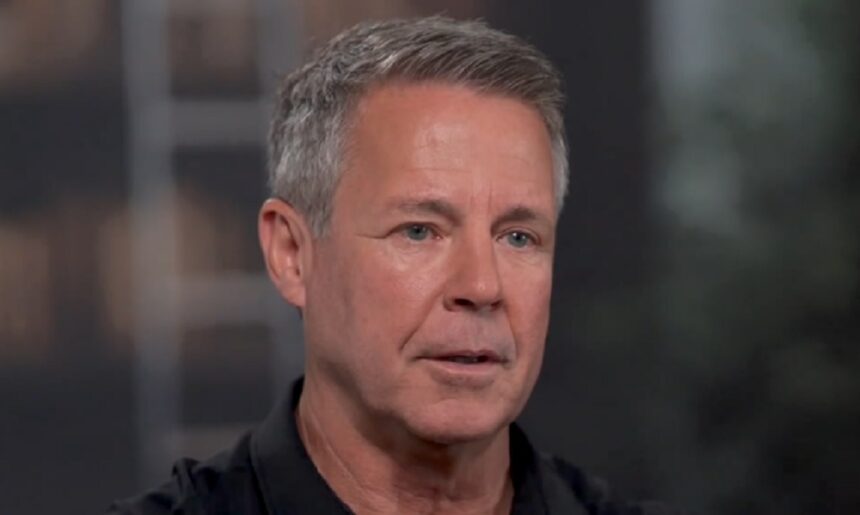
Retired U.S. four-star General Austin “Scott” Miller, the former commander of U.S. and NATO forces in Afghanistan, says he was deeply unhappy with the way the U.S. mission in Afghanistan ended.
In an interview with ABC News, Miller said he knew the withdrawal could end badly, but he was still angry and disappointed by the fall of Kabul and the way the U.S. left Afghanistan.
“I was quite unhappy with the ending in Afghanistan,” Miller said. “Even if I knew it wasn’t going to be good, I knew this could happen, but I was angry.”
Miller said one of the most difficult parts of leaving Afghanistan was telling Afghan partners and friends that he was leaving. Some of those relationships had lasted 10 to 15 years.
“I felt like I had a distasteful task,” he said. “I had to tell them I’m leaving. I really am leaving, and this force is leaving.”
Miller said that although he was simply carrying out U.S. government policy as a soldier, the reaction from his Afghan friends was painful.
“The look in their eyes… was almost as if you’re betraying us,” he said.
Miller: “I felt helpless” during Kabul evacuation
Miller said watching the chaotic evacuation from Kabul after the Islamic Emirate seized the capital was extremely difficult.
“I felt helpless,” he said. “If I could have snuck on an airplane, I would have gone over there.”
He said he wanted to return to Afghanistan to help, but he was no longer in a position to do so.
Miller also recalled the suicide bombing at Abbey Gate at Kabul airport, which killed U.S. service members and Afghan civilians.
“That one almost brought me to my knees. That one hit me in the gut hard,” he said.
Kabul scenes reminded Miller of 9/11
Miller said the chaos at Kabul airport reminded him of the September 11, 2001 attacks in the United States.
He recalled seeing people jumping from the World Trade Center to escape the flames on 9/11.
He said the images of Afghans trying to hold onto a departing U.S. military aircraft in Kabul were similarly traumatic.
“It was traumatic for a lot of people because we do remember how this started. And now, we’re looking at how it’s ending,” Miller said.
Miller says the evacuation could have been handled differently
Asked what could have been done differently, Miller said the growing risks on the ground were not fully understood.
He said the United States could have reduced the number of people who needed to be evacuated before the situation became an emergency.
“I would have liked to have seen some of that come out while we had all the airlift as we were taking the military out,” he said.