


The Norwegian Refugee Council (NRC) said on Monday Afghanistan is facing a deep humanitarian, economic and climate crisis, while NATO countries have forgotten their promises to support the Afghan people.
In a statement marking five years since Western troops and diplomats left Afghanistan, the NRC said millions of Afghan civilians are struggling with worsening humanitarian conditions as international aid continues to decline.
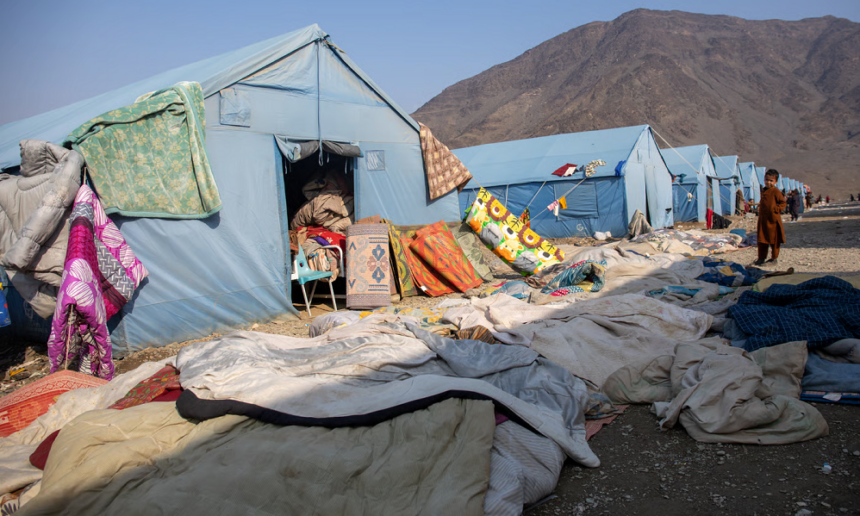
According to the NRC, more than six million Afghans have returned from neighboring countries since late 2023, adding to the pressure on communities already affected by climate shocks, regional tensions and restrictions on women and girls.
“NATO countries have forgotten their solemn promises to Afghan girls and boys and turned their backs on Afghan civilians,” NRC Secretary General Jan Egeland said.
He warned that declining humanitarian funding is forcing aid organizations to reduce food, water, shelter and medical assistance for vulnerable Afghan families.
The NRC said millions of returnees are facing an uncertain future and are having to rebuild their lives from scratch. Up to 73 percent of returnees remain unemployed, with very few opportunities to earn a living.
“Shelter and livelihood support remain among the most critical needs of returnees,” Egeland said, adding that many families are struggling to find adequate housing and provide food for their children.
Afghan authorities have planned to distribute land to returnees as a key part of the response to their needs. However, the NRC said the large number of returnees, complicated land distribution procedures, limited investment and a lack of basic services are making reintegration difficult.
The NRC also warned that funding for Afghanistan’s humanitarian response has fallen sharply. The country’s Humanitarian Needs and Response Plan was nearly 96 percent funded in 2021, but funding dropped to 42 percent in 2025. So far this year, only 26 percent of the required funding has been provided.
The NRC called on the international community to increase development investment in Afghanistan and support long-term solutions and recovery.
It also urged international actors to engage with Afghan authorities to ensure that political issues do not prevent vulnerable communities from receiving humanitarian assistance and basic services.