


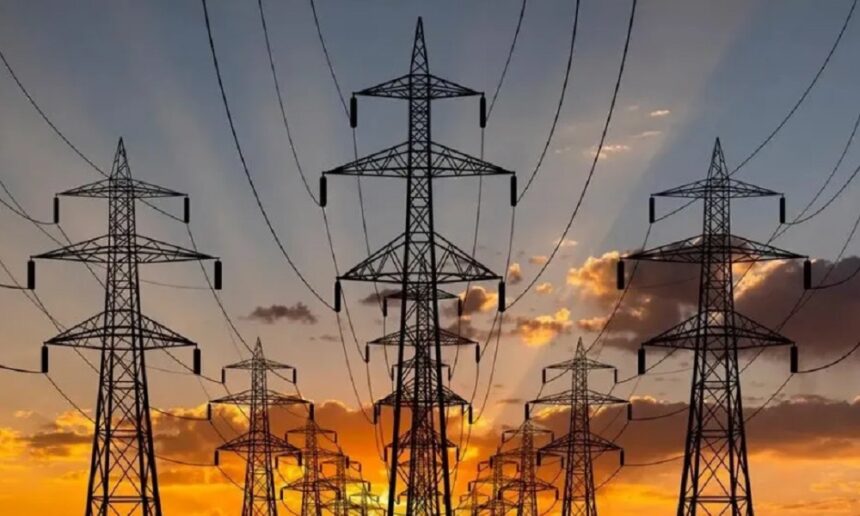
Afghanistan has approved a comprehensive five-year national power development plan aimed at expanding domestic electricity generation, strengthening the country’s transmission network and reducing its reliance on imported electricity.
The plan, which was previously endorsed by the Economic Commission chaired by Deputy Prime Minister for Economic Affairs Mullah Abdul Ghani Baradar, has now received final approval from the Supreme Leader.
The strategy includes the implementation of 25 electricity generation projects that will harness Afghanistan’s domestic energy resources, including hydropower, solar, wind and coal. It also outlines the completion of 13 ongoing and 23 new electricity transmission projects, 21 ongoing and 21 planned substation projects, and 34 electricity distribution projects across the country.
Officials said the initiative is expected to significantly expand electricity access, improve the reliability of the national power grid and strengthen Afghanistan’s energy infrastructure while reducing dependence on imported electricity.
The government said the five-year plan forms part of its broader strategy to promote economic development, support reconstruction efforts and enhance financial self-reliance through greater investment in domestic energy resources. Once completed, the projects are expected to contribute to Afghanistan’s long-term energy security and move the country closer to electricity self-sufficiency.