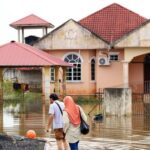
Recent rainfall across different parts of Afghanistan has revived long-awaited hope among the people. After years of persistent drought, rain and snowfall have created the impression that the dark shadow of drought may finally begin to lift and that farmlands may once again breathe. For farmers, these rains are a message of blessing for the coming season, and for rural communities, a sign that nature has not turned its back on this land. Yet alongside these hopes stands a heavy reality: Afghanistan is once again witnessing the return of large numbers of migrants who are in urgent and immediate need of assistance.
Political and economic developments, regional conditions, and the policies of neighboring countries have forced many Afghans to return home, often with empty hands. These families are not only struggling with shelter, but also with food, heating, healthcare, and access to employment. While rainfall is a positive sign against drought, it cannot by itself solve the crisis of poverty and hunger. What is required now is human solidarity, national unity, and a shared sense of responsibility.
The efforts of the Afghan government, particularly during the recent heavy snowfall, deserve recognition. Despite limited resources and difficult conditions, authorities worked to keep major highways open, clear snow from roads, and deliver basic services to the population. Reaching even remote villages under such circumstances reflects a serious commitment to public service. Although challenges remain, these steps have strengthened public confidence that responsibility is not confined to major cities alone but extends to distant and mountainous areas as well.
However, government efforts alone are not enough. Afghanistan is a society with a long tradition of compassion and mutual support. Today, wealthy Afghans, business leaders, and investors are expected to play a meaningful role in this national test. Assistance is not merely an act of charity; it is a requirement for social stability. When displaced families are left without food and shelter, their suffering does not remain a private matter but affects the entire society—its security, economy, and social cohesion. Therefore, the participation of affluent citizens is not only a moral duty but also a national necessity.
Equally important is that aid must be organized and targeted. Experience shows that uncoordinated and unplanned assistance often fails to reach those who need it most. Support should be based on real needs and clear priorities so that the most vulnerable families are helped first. Transparency and accountability can increase public trust and encourage others to contribute as well.
Recent rainfall also carries another important message: if managed wisely, this natural opportunity can help Afghanistan adopt new strategies for water management. Snow storage, dam construction, and modern irrigation systems can provide long-term solutions to recurring drought. But such measures require time, investment, and cooperation. Here again, coordination between the state, the private sector, and the public is essential.
Today, Afghanistan stands at a moment where nature has offered a sign of hope, yet human suffering remains visible. If rain promises green fields, the tired faces of returning migrants remind us that the season of human responsibility is far from over. This is not a time for slogans, but for action. The government must accelerate its efforts, wealthy Afghans must take practical steps, and society as a whole must turn this crisis into an opportunity through unity.
If we can use the blessing of rain both to revive our agriculture and to support our people, we will not merely solve a temporary problem but lay a foundation for the future. Afghanistan will truly emerge from drought only when not just its soil, but also its hearts, are nourished.
From Rain to Responsibility: Hope Rises, but Needs Must Be Met




Leave a Comment