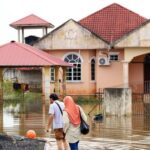
In recent months, the process of deporting Afghan refugees from neighboring countries, particularly Iran and Pakistan, has become more serious and accelerated than ever. As thousands of Afghans are being forcibly expelled from these countries, many international organizations and Afghan communities have called for increased pressure on Iran and Pakistan to ensure they do not violate international principles. However, if we look at the realities on the ground, both Iran and Pakistan are facing severe security and economic challenges within their own borders; therefore, it is unrealistic to expect these countries to prioritize long-term humanitarian approaches toward Afghan refugees.
In this context, the responsibility of the Afghan caretaker government grows even further. The government must take this situation seriously and, with utmost wisdom and attention, create conditions in which the basic needs of life are met within the country, fair opportunities are provided for the people, and social and economic shortcomings are practically addressed. If security, basic services, and income opportunities inside Afghanistan are strengthened, it will not only create a hopeful environment for returnees but will also discourage other Afghans from considering migration and encourage them to build their lives in their own homeland.
On the other hand, newly returned refugees who are coming back after years of hardship and suffering should not be left alone. The Afghan government, civil society organizations, the private sector, and community influencers should work together to assist these compatriots during the resettlement process. They should be offered services that not only protect them from psychological and social pressures but also enable them to revive the daily lives of their families in a practical way.
Returning Afghans themselves must also show patience in facing various challenges and understand that not all services and facilities can be restored in a short time. Therefore, a spirit of national unity and cooperation is necessary so that everyone fulfills their responsibilities properly. If the hearts of these returnees are tied to the peaceful atmosphere and relative stability of the country, they will eagerly stay in their homeland and join the collective steps toward progress.
For the Afghan government, this is a historic test: after decades of war and displacement, it now has the chance to once again inspire hope and momentum in its people’s lives. This opportunity must not be missed. If this issue is ignored carelessly, it could lead to far greater social and security challenges in the future, challenges that would not be easy to control. Therefore, a comprehensive and constructive plan must be implemented to sustainably settle and support Afghan returnees from Iran and Pakistan, so that they do not lose hope and can contribute meaningfully to the reconstruction of their country.
Afghans are known worldwide for their courage, work ethic, and patience. By relying on these qualities, they can once again start from scratch and build a better future for their children. It is a collective responsibility to keep this hope alive.
From Migration to Homeland: A New Chapter of Hope and Patience for Afghan Returnees



Leave a Comment